Obtain Extraordinary Results: Customized Digital Marketing Strategies for Every Business
In the present competitive arena, businesses have to address specific hurdles to reach their goals. Tailored digital marketing solutions have proven to be a vital strategy for effective outreach. Determining distinct hurdles and understanding target audiences creates the framework for these custom solutions. However, the question remains: what advanced strategies and concrete goals will secure a business differentiates itself and flourishes in this fluid environment? Investigating these elements can reveal the potential for impressive results.
Determining Your Business Issues for Personalized Marketing
What methods can companies use to customize their marketing approaches for particular obstacles? The opening stage entails a comprehensive assessment of organizational and environmental factors that shape performance. This encompasses recognizing challenges such as declining sales, rising competition, or changing consumer preferences. Organizations must analyze their current position in the market and determine which obstacles block growth.
Following this, they should evaluate customer feedback, sales data, and industry trends to identify specific challenges. This analytical approach helps businesses to pinpoint underlying problems and develop targeted marketing strategies that resonate with their audience.
In addition, teaming up with stakeholders can deliver varied perspectives on likely challenges and solutions. By coordinating marketing efforts with pinpointed challenges, businesses can build more concentrated campaigns that effectively address pain points. Ultimately, understanding these challenges creates the groundwork for tailored marketing strategies that power success and foster enduring customer relationships.
How to Recognize Your Target Audience for Customization?
Comprehending the particular obstacles experienced by a business lays the groundwork for identifying the target audience, which is vital for impactful marketing customization. To determine this audience, businesses should begin by examine existing customer data, including demographics, purchasing behavior, and feedback. Carrying out surveys and interviews can offer greater insights into customer inclinations and pain points.
Moreover, dividing the market according to factors such as age, location, and interests assists in identifying potential targets. Using social media analytics can also uncover engagement patterns that show which user groups are most responsive.
Competitor analysis may shed light on audiences that are being efficiently engaged, enabling businesses to improve their own targeting strategies. By combining qualitative and quantitative research methods, companies can establish a thorough profile of their ideal customers, guaranteeing that marketing efforts are customized to meet their specific needs and preferences.
Selecting the Right Channels for Tailored Marketing
Choosing the appropriate channels for customized marketing necessitates a clear understanding of target audience tendencies. Furthermore, evaluating channel performance metrics can deliver useful insights into which platforms produce the optimal results. Ultimately, aligning marketing efforts with overall business goals ensures that strategies remain concentrated and impactful.
Determine Target Market Interests
Recognizing target audience preferences is essential for successful digital marketing strategies. Understanding what resonates with a defined audience permits businesses to customize their marketing efforts, ensuring that messages are pertinent and engaging. This process involves researching demographics, interests, and behaviors to create comprehensive audience profiles.
Assess Channel Performance Indicators
Analyzing channel performance metrics is critical for assessing the effectiveness of various marketing platforms in reaching target audiences. By assessing key performance indicators (KPIs) such as engagement rates, conversion rates, and return on investment (ROI), businesses can identify which channels produce the most favorable results. Metrics like click-through rates and social media interactions supply insights into audience preferences and behaviors. Additionally, comparing performance across channels helps in detecting trends and optimizing resource allocation. Businesses can adapt their strategies based on these findings, ensuring they concentrate on high-performing channels while reconsidering or modifying underperforming ones. This data-driven approach allows companies to tailor their marketing efforts, ultimately boosting overall effectiveness and maximizing outreach.
Align with Business Objectives
When synchronizing marketing efforts with comprehensive business goals, organizations must strategically identify the right channels that resonate with their target audience. Selecting appropriate channels is crucial for maximizing engagement and guaranteeing effective communication. Businesses should evaluate their audience demographics, preferences, and behaviors to determine the most suitable platforms—whether social media, email marketing, or search engines. Moreover, aligning channel decisions with business objectives enhances the potential for achieving desired outcomes, whether that be brand awareness, lead generation, or customer retention. Regularly monitoring channel performance and adjusting strategies based on results allows organizations to remain agile in a rapidly changing digital landscape. In the end, a strategic approach to channel selection confirms that marketing initiatives contribute meaningfully to overall business success.
Creative Methods for Tailored Marketing Plans
Cutting-edge approaches for custom marketing initiatives progressively depend on data-driven decision making and automation. By capturing consumer data, marketers can customize their tactics to fulfill individual preferences more effectively. Moreover, automation supports personalized interactions, boosting customer engagement and satisfaction.
Making Decisions Through Data Analysis
Data-driven decision-making has become as a cornerstone of impactful digital marketing, allowing businesses to adapt their strategies based on concrete insights instead of intuition. By leveraging analytics tools and platforms, organizations can collect and analyze substantial quantities of data, such as customer behavior, engagement metrics, and market trends. This empirical approach allows marketers to identify patterns, optimize campaigns, and distribute resources more efficiently. Furthermore, data segmentation allows for targeted outreach, guaranteeing that marketing messages connect with specific audiences. As a result, companies can elevate customer experiences, boost conversion rates, and drive profitability. Embracing data-driven strategies cultivates a culture of continuous improvement, allowing businesses to adapt swiftly to shifting market dynamics and consumer preferences.
Personalization Through Automation
As organizations progressively depend on data-based decision processes, the integration of personalization through automation has become a pivotal component of digital marketing initiatives. This method enables companies to adapt their messaging and offers according to individual consumer behaviors and preferences. By leveraging advanced algorithms and machine learning, businesses can efficiently analyze substantial amounts of data to segment audiences and deliver personalized content at scale. Methods such as dynamic email content, targeted ads, and automated customer journeys improve user experience and engagement. In addition, automation tools enable timely interactions, guaranteeing that potential customers receive relevant information when they need it most. Eventually, personalized automation not only increases customer satisfaction but also drives conversions, making it an essential tactic for modern marketers.
Which Measurements Identify Success in Your Strategy?
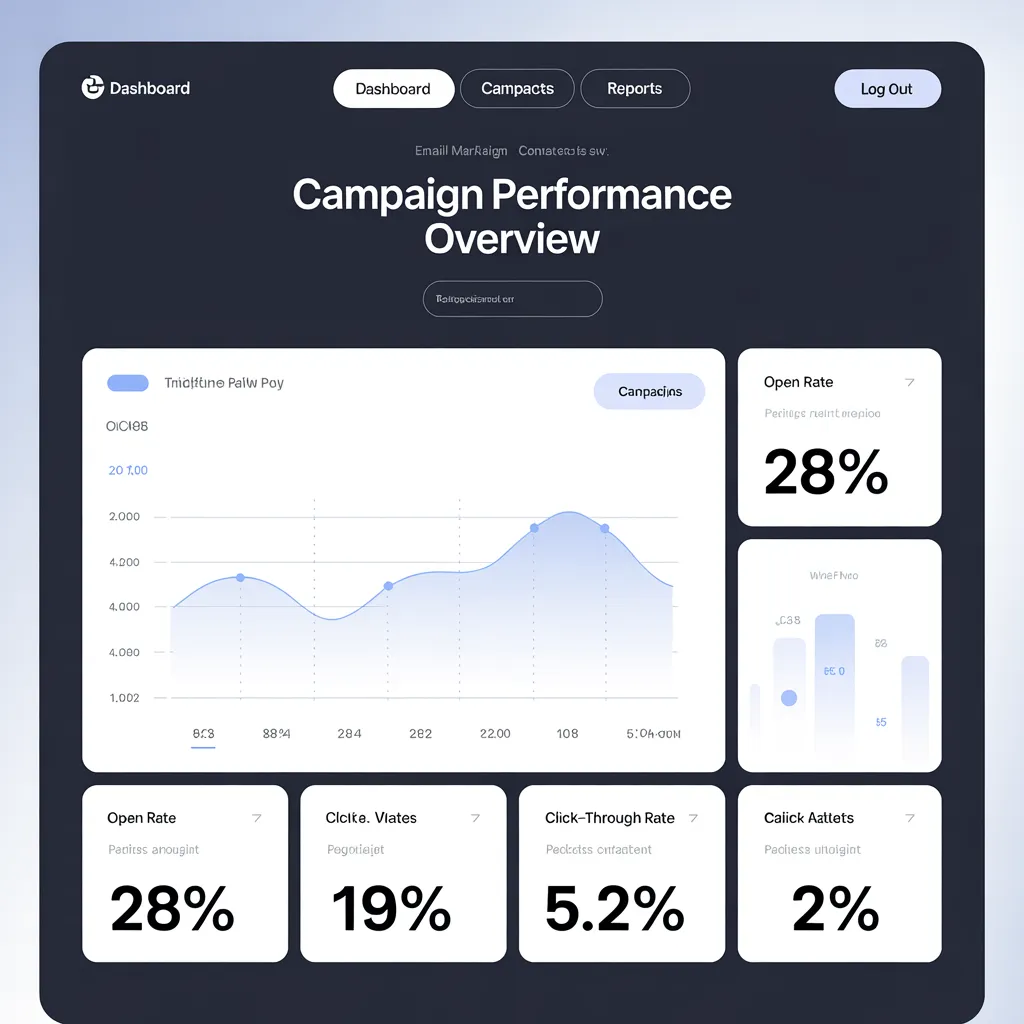
What methods can companies use to effectively measure the success of their digital marketing efforts? Key performance indicators (KPIs) serve as essential metrics to evaluate effectiveness. Standard monitoring indicators include web traffic, conversion statistics, and engagement metrics on different platforms.
Website visitors provide information about the volume of visitors, demonstrating the reach of marketing efforts. Conversion statistics, which reveal how many visitors execute desired actions, help assess the effectiveness of advertising campaigns in generating sales or leads.
Engagement metrics, like likes, shares, and comments on social media, show how well the audience relates to content. Moreover, return on investment (ROI) calculates the profitability of marketing spend, enabling businesses to determine the financial impact of their campaigns.
Approaches to Enhance Your Key Metrics for Steady Growth
Enhancing key metrics is crucial for businesses aiming for continuous growth in their digital marketing strategies. To achieve this, organizations should prioritize data-driven decision-making. Analyzing customer behavior through analytics tools allows businesses to pinpoint trends and adjust their strategies accordingly.
Boosting website performance by reducing load times and enhancing user experience can substantially impact conversion rates. Implementing A/B testing helps in refining messaging and design, allowing companies to determine what resonates best with their target audience.
Utilizing social media engagement is also essential. Consistently engaging with followers and replying to feedback can build customer loyalty and drive brand awareness. Additionally, investing in targeted ad campaigns guarantees that marketing efforts reach the right audience, leading to higher return on investment.
Finally, defining precise, quantifiable goals enables businesses to assess progress and execute needed adjustments, securing sustained growth in key performance indicators over time.
Frequently Asked Questions
How Soon Can You Expect Results From Customized Strategies?
Effects from personalized strategies typically manifest within 3-6 months, depending on factors such as market, competition, and the particular tactics employed. Staying consistent and ongoing optimization serve crucial roles in attaining intended outcomes.
How Much Should You Budget for a Tailored Digital Marketing Strategy?
The cost of implementing a discover the information customized digital marketing strategy fluctuates substantially depending on business size, ambitions, and chosen channels, usually ranging from hundreds to several thousand dollars monthly, contingent upon complexity and necessary resources.
Do Small Businesses Benefit From Customized Marketing Strategies?
Absolutely, small businesses can tremendously benefit from custom marketing strategies. Customized approaches enable them to efficiently reach target audiences, maximize resources, boost brand visibility, and ultimately increase sales, driving growth in competitive markets.
How Frequently Should My Digital Marketing Strategy Be Updated?
Modifying a digital marketing strategy should take place at least quarterly, or more frequently if substantial market changes occur. Regular assessments provide alignment with changing consumer trends, technology developments, and competitive landscapes, maximizing effectiveness and engagement.
Which Resources Can Help in Crafting Customized Marketing Campaigns?
Several tools can aid in creating customized marketing campaigns, including CRM platforms for understanding customers, analytics platforms for performance tracking, social media management tools for engagement, and email marketing services for focused communications.